How to Read the Battlefield: Situational Awareness Tips
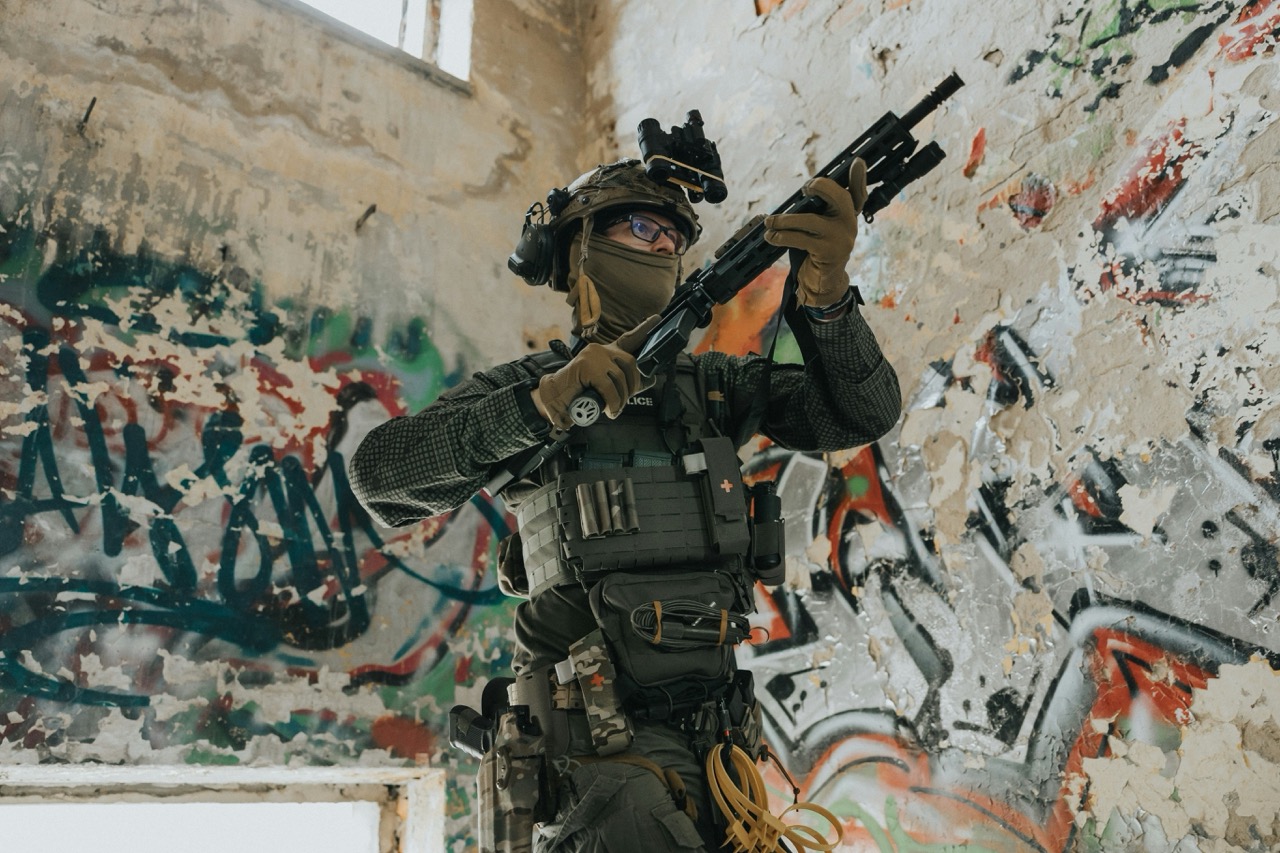
Two players with identical marksmanship and equipment will still perform very differently on the same field, and the difference usually comes down to situational awareness: one of them consistently knows more about what's happening around them than the other, and that knowledge shapes every decision before a shot is ever fired.
What Situational Awareness Actually Means
Human factors research defines situational awareness as a three-part process: perceiving the relevant elements in your environment, understanding what they actually mean, and projecting how the situation is likely to develop next. A foundational review of situation awareness research examining dynamic, fast-moving environments describes this as fundamental to good decision-making and effective performance under pressure, and notes that awareness can degrade quickly under stress, fatigue, or heavy workload, exactly the conditions a long, intense airsoft game reliably produces. That degradation is worth taking seriously: the player who seems to have a sixth sense for incoming flanks late in a match usually just hasn't let their awareness slip the way a tired, frustrated opponent has.
Perceiving: What to Actually Look and Listen For
Awareness starts with noticing raw information most players tune out: movement at the edge of vision, sounds that don't match the ambient noise of the field, the direction teammates are looking or aiming, and gaps in the terrain that could hide an approach. This is largely a discipline of not fixating narrowly on your own sector or your own next shot, which is the single easiest way awareness quietly narrows during a stressful engagement.
Understanding: Turning Observations Into Meaning
Raw information only helps once it's interpreted. A rustle in a specific tree line combined with the terrain's likely avenues of approach, discussed in woodland tactics generally, might mean an enemy flank is developing. A sudden lull in fire from an area that was previously active might mean the opponent there is repositioning rather than eliminated. Building this interpretive layer comes largely from experience and from actively thinking through what an observation could mean rather than passively registering it.
Projecting: Staying Ahead of the Situation
The final step is anticipating what happens next: if that flank develops, where will it likely emerge, and what should your team already be doing to prepare for it. Players with strong situational awareness tend to be reacting to something before it's fully arrived, not because they're guessing, but because they've correctly read the early signs and projected the likely outcome.
Practical Habits That Build This Skill
- Periodically scan beyond your immediate sector, including behind and to the sides, rather than fixating forward
- Actively communicate observations to your squad, since verbalizing what you notice sharpens your own interpretation of it
- Watch for your own awareness narrowing under stress or fatigue late in a game, and treat that as a signal to slow down rather than push harder
- After a game, briefly review moments you were surprised and ask what information was available beforehand that you missed
Awareness Is a Team Resource, Not Just a Personal One
An individual player's awareness has real limits, no matter how disciplined their habits are; one person simply can't watch every direction at once. A squad's combined awareness is what actually matters, which is why relaying observations matters as much as making them. A teammate who notices something but never mentions it has effectively wasted that awareness, while a mediocre individual observer who communicates constantly can meaningfully sharpen an entire squad's collective picture of the field.
Fatigue Is the Quiet Enemy of Awareness
Late in a long game day, physical fatigue and frustration both erode awareness in ways that are hard to notice from the inside. Attention narrows, scanning becomes less frequent, and the mental step of interpreting what's observed gets skipped more often under fatigue. Recognizing this pattern in yourself, and deliberately slowing down and re-widening your attention when you notice it, is one of the more advanced but genuinely learnable awareness skills, and it often separates players who stay sharp through a full day from those who visibly decline in the final rounds.
More from the blog
All posts →Essential Tools Every Airsoft Technician Should Own
A well-stocked toolbox turns gearbox surgery from a stressful gamble into a routine afternoon project.
August 26, 2026How to Clean and Maintain Your Airsoft Gun
A regular cleaning routine keeps your airsoft replica shooting straight and lasting longer, and most of it takes less time than a single game rotation.
August 25, 2026Radio Communication Basics for Airsoft Teams
A beginner-friendly introduction to using radios in airsoft: call signs, brevity, and the basic discipline that keeps a channel useful instead of chaotic.
August 24, 2026