Radio Communication Basics for Airsoft Teams
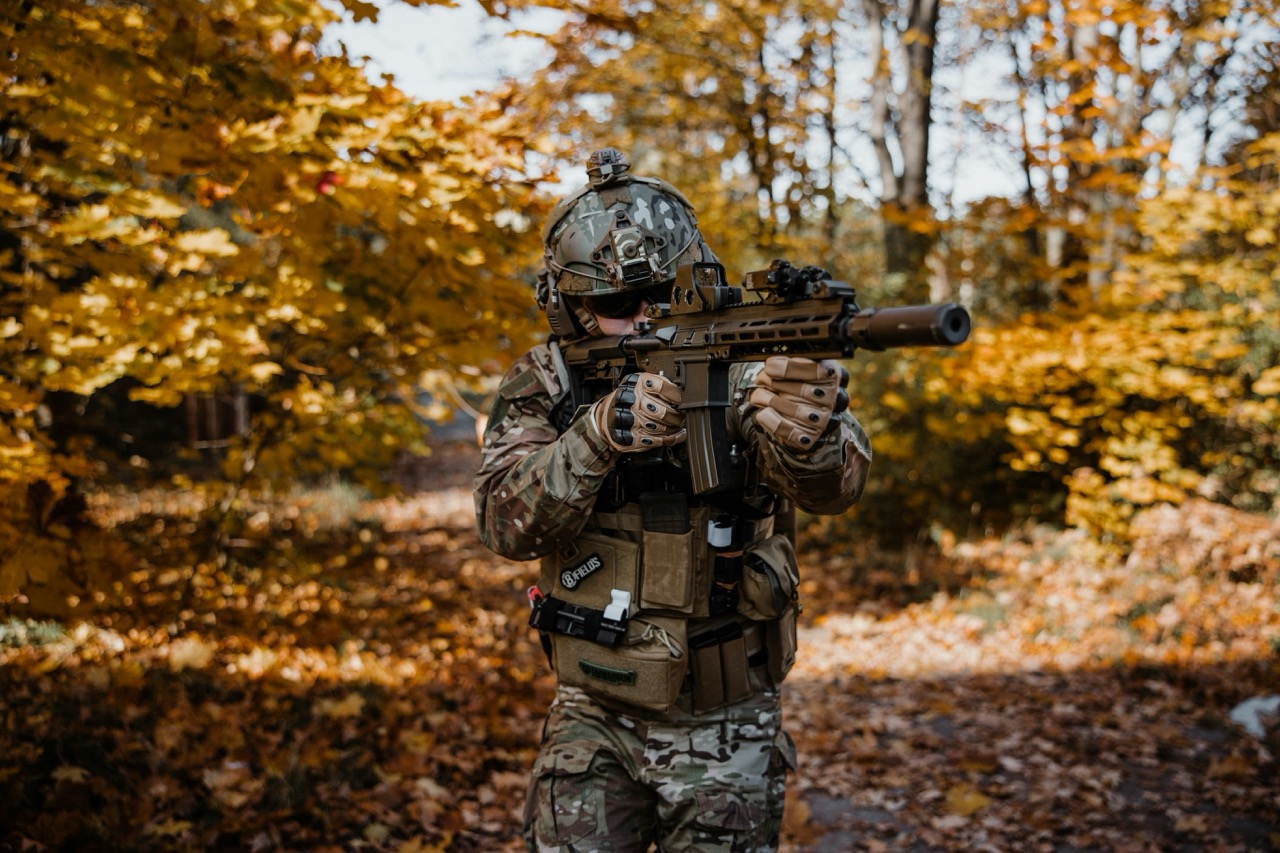
Radios turn a squad scattered across a large field into a single coordinated unit, but only if the people using them follow some basic discipline. A channel full of constant, unstructured chatter is barely more useful than no radio at all, and often worse, since it buries the one urgent transmission that actually mattered under a pile of noise.
Why Structure Matters More Than the Hardware
The U.S. Army's ATP 6-02.53 on tactical radio operations is built almost entirely around structure and discipline rather than the technical specifications of the radios themselves: consistent call signs, clear and minimal transmissions, and rules for who can speak when. None of that structure requires expensive equipment; it requires an agreement among your team about how the channel gets used, which matters just as much on an inexpensive consumer radio as it would on military-grade equipment.
Call Signs Over Names
Using short, consistent call signs rather than full names or nicknames keeps transmissions quick and reduces confusion when multiple similar-sounding names are on the same channel. It doesn't need to be elaborate, a role or position name works fine, but it should be agreed on before the game starts and used consistently rather than switching between names and call signs mid-match.
Brevity: Say Less, Say It Clearly
The single most valuable habit to adopt is keeping transmissions short and purposeful. State who you are, what's happening, and where, in that order, and stop. Long transmissions block the channel for everyone else and are more likely to be interrupted or garbled, exactly when clear information matters most.
Basic Radio Etiquette
- Wait for a clear channel before transmitting non-urgent information; don't talk over someone already mid-transmission
- Reserve the channel for information the whole team needs, not casual conversation that could happen face to face
- Confirm receipt of important information with a short acknowledgment, so the sender knows the message actually landed
- Designate one person, often a squad or team leader, as the primary point of contact for coordinating traffic, especially on a busy multi-team channel
Building the Habit Before Game Day
Radio discipline is a habit best built during low-stakes practice, not discovered mid-match during a real engagement. Running a casual game with radios specifically to practice call signs, brevity, and basic etiquette pays off far more than handing out radios for the first time during a competitive event and hoping everyone figures it out. A team that has actually practiced this together communicates faster and clearer exactly when it matters most.
Choosing and Setting Up Equipment
Consumer handheld radios are more than sufficient for most airsoft use, and the specific brand or feature set matters far less than everyone on the team using compatible equipment set to the same channel before the game starts. Confirm channel and any privacy or sub-channel settings during setup, not after the game has already started and someone discovers they can't hear the rest of the team. Labeling radios or assigning them consistently to the same role each game also reduces the setup friction that eats into time better spent actually coordinating the match.
What to Do When the Radio Fails
Batteries die, channels get bumped, and radios occasionally just stop working mid-game, so it's worth agreeing on a fallback plan before that happens rather than after. A simple rule, if radio contact is lost, fall back toward the last known position of the team or a pre-agreed rally point, keeps a radio failure from turning into a fully isolated and disoriented player. Treating the radio as a valuable tool rather than an absolute dependency keeps a squad functional even on the occasional game day when the equipment lets them down.
More from the blog
All posts →Essential Tools Every Airsoft Technician Should Own
A well-stocked toolbox turns gearbox surgery from a stressful gamble into a routine afternoon project.
August 26, 2026How to Clean and Maintain Your Airsoft Gun
A regular cleaning routine keeps your airsoft replica shooting straight and lasting longer, and most of it takes less time than a single game rotation.
August 25, 2026Night Game Tactics: Adjusting Strategy for Low Visibility
Night and low-light airsoft games reward a completely different set of habits than daytime play. Here's what actually changes and how to adjust.
August 23, 2026