Support Gunner Tactics: Playing the Automatic Rifleman Role
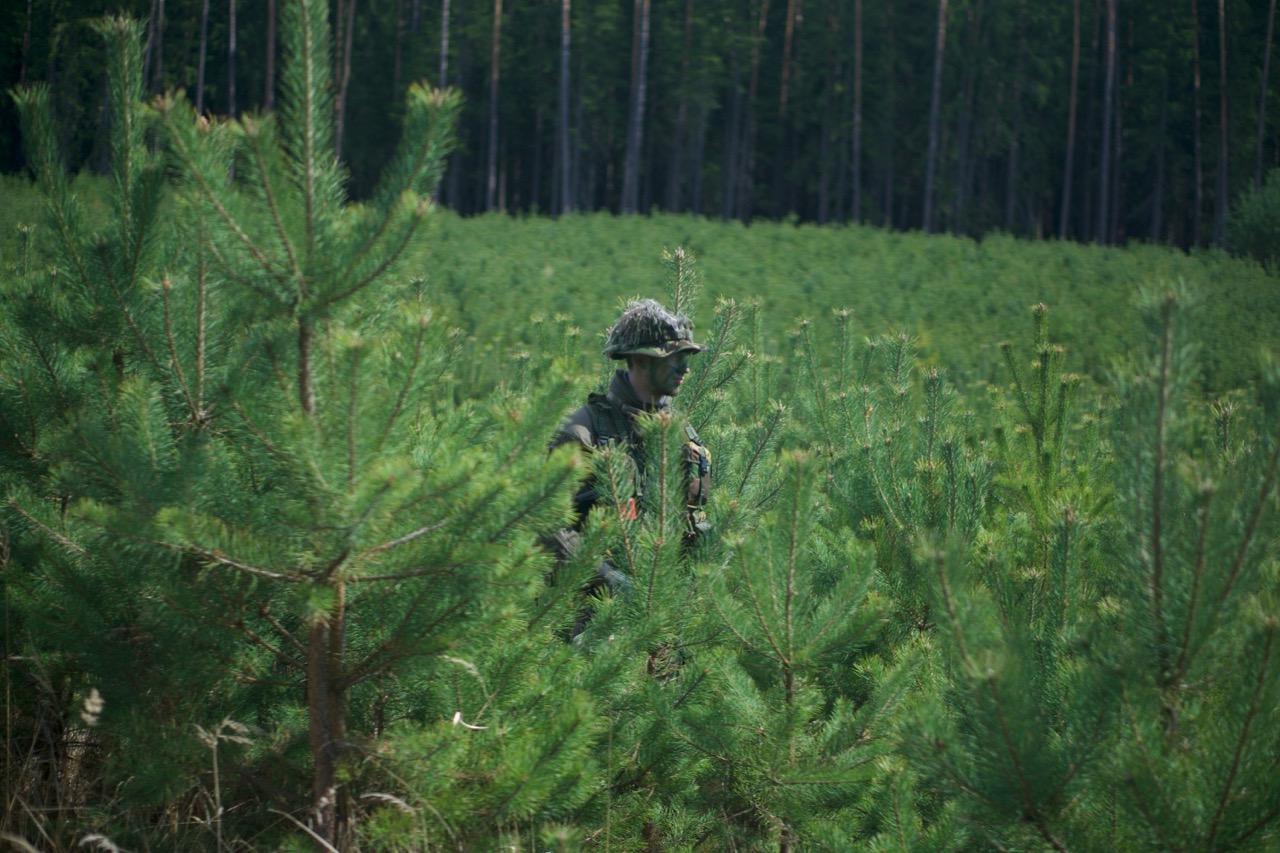
Players who pick up a heavier, higher-capacity replica often gravitate toward playing it like an oversized rifle, chasing the same individual engagements as everyone else. The role works far better, and contributes far more to a squad, when it's played as a support position built around enabling teammates rather than maximizing personal hits.
What the Role Is Actually For
The U.S. Army's ATP 3-21.8 describes the automatic rifleman as providing an internal base of fire for the fireteam, sustained fire directed at a threat or likely threat position that keeps an opponent's head down and their attention fixed, while the rest of the team maneuvers, repositions, or advances under that cover. That's the core function to bring into airsoft: your value isn't primarily counted in personal eliminations, it's counted in how much your sustained fire lets your teammates move safely.
Positioning for Sustained Fire
A support gunner position should prioritize a stable, defensible spot with a clear field of fire onto a likely enemy position or avenue of approach, ideally somewhere that doesn't require constant repositioning to maintain that field of fire. Elevated ground, a solid piece of cover at the edge of an open area, or a position overlooking a chokepoint all work well. Unlike a flanking element that needs to stay mobile, a support gunner benefits from staying put long enough to actually suppress a position effectively, since constant relocation interrupts the sustained pressure that makes the role valuable in the first place.
Suppression Is About Volume and Timing, Not Precision
The goal of suppressive fire in this role isn't necessarily to score hits; it's to make an area unsafe enough that an opponent stops shooting back and stays behind cover. Timed correctly, this creates exactly the window a flanking or advancing element needs to move. Coordinating that timing with the rest of your squad, so your suppression actually lines up with a teammate's movement rather than running independently of it, is where the role produces real tactical value rather than just noise.
Working the Role Into a Squad
- Communicate when you're in position and ready to suppress, so the rest of the squad knows when to start moving
- Pick positions that support your team's planned route or objective, not just wherever has the best personal sightline
- Coordinate with a flanking or advancing element directly, since suppression without a teammate actually using the opening it creates wastes the role's main advantage
- Accept a support role mentality: fewer personal eliminations is a reasonable trade for a squad that consistently wins engagements because of the openings you created
Played this way, the automatic rifleman becomes one of the more quietly influential positions on the field, shaping how and when the rest of the squad can safely move, even without racking up the most personal hits by the end of the day.
Managing Ammunition and Endurance
Sustained suppression only works if you can actually sustain it, which makes ammunition management a real tactical concern for this role in a way it usually isn't for other positions. Burning through an entire ammunition supply in one continuous burst leaves nothing for the moment your team actually needs suppression again a few minutes later. Firing in controlled, sustained bursts rather than one continuous stream conserves ammunition while still producing the psychological pressure that makes suppression effective, and it's worth practicing this discipline specifically rather than assuming it will happen naturally under pressure.
Repositioning Without Losing the Role's Value
A support gunner does eventually need to move, whether to follow an advancing squad or to avoid becoming predictable and getting flanked themselves. The key is repositioning during a lull rather than mid-suppression, and communicating the gap in coverage to the rest of the squad so nobody assumes fire support is still available when it briefly isn't. A support position that silently goes quiet without warning can leave an advancing teammate exposed at exactly the wrong moment.
More from the blog
All posts →Essential Tools Every Airsoft Technician Should Own
A well-stocked toolbox turns gearbox surgery from a stressful gamble into a routine afternoon project.
August 26, 2026How to Clean and Maintain Your Airsoft Gun
A regular cleaning routine keeps your airsoft replica shooting straight and lasting longer, and most of it takes less time than a single game rotation.
August 25, 2026Radio Communication Basics for Airsoft Teams
A beginner-friendly introduction to using radios in airsoft: call signs, brevity, and the basic discipline that keeps a channel useful instead of chaotic.
August 24, 2026