Understanding Airsoft Barrel Blocking Devices and Safety Flags
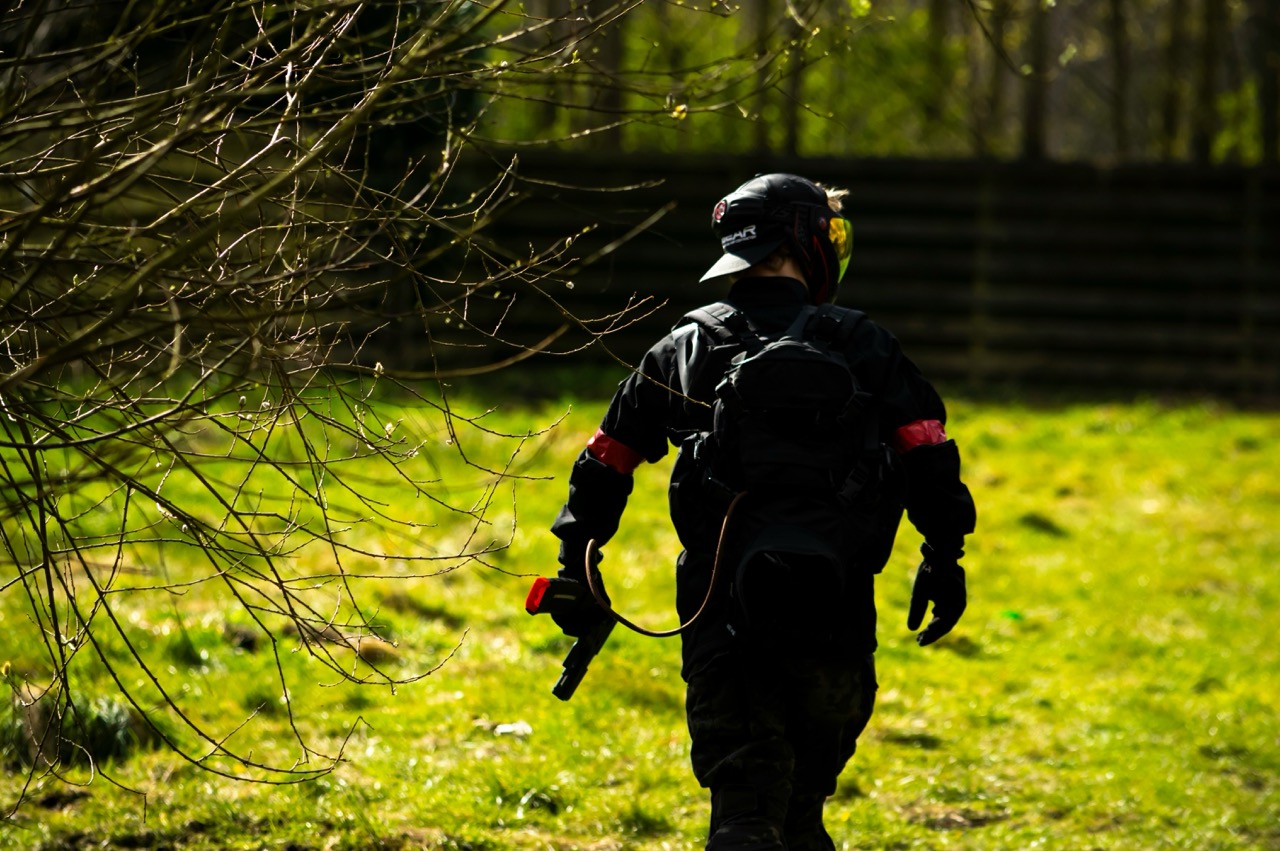
A barrel blocking device is one of the least glamorous pieces of airsoft equipment and one of the most consistently required. It's a simple plug, often with a brightly colored flag attached, that inserts into the barrel of a replica to physically prevent it from firing. Most fields require one on every replica the moment it's not actively in use on the field, and for good reason.
What It Actually Does
The device itself is simple: a plug sized to the inner barrel, sometimes with a small flexible flag or streamer attached for visibility, that blocks a BB from being fired even if the trigger is pulled. It's a physical fail-safe layered on top of behavioral rules like keeping replicas on safe and pointed in a safe direction. The logic mirrors general workplace safety practice under OSHA's general PPE and hazard control framework: relying on a single layer of protection, whether that's a safety selector or a person's memory, is weaker than stacking a physical control on top of it.
Where This Actually Matters
On the Field, Between Games
Staging areas, chrono lines, and the walk between games are exactly when accidental discharges are most likely, since attention has shifted away from active gameplay. A barrel blocking device inserted the moment you step off the field removes the risk entirely, regardless of what else might slip.
During Transport
Outside the field, the flag on a barrel blocking device also serves a second, very different purpose: visually signaling that a replica is a toy or non-lethal device, not a real firearm, to anyone who might glance into a vehicle or bag. In the United States, this connects to federal law requiring imitation and look-alike firearms to carry visible markings, most commonly a blaze orange tip, under 15 U.S. Code Section 5001. A barrel blocking flag doesn't replace a required orange tip where one applies, but it adds another layer of visible signaling that the item in question isn't a functioning weapon, which matters a great deal in a roadside or parking lot encounter with law enforcement or the public.
Using One Correctly
- Insert the blocking device as soon as you leave the field or finish a scenario, not just before packing up for the day
- Check that the plug actually seats fully in the barrel rather than sitting loosely at the muzzle
- Keep the flag or streamer visible; a blocking device with a torn-off flag loses much of its visual-signaling value even if it still blocks the barrel mechanically
- Never treat a barrel blocking device as a substitute for keeping the replica on safe and the battery or gas source disconnected during transport
It's a small, inexpensive piece of gear, and it's one of the few pieces of airsoft equipment that has essentially no downside to using consistently.
Field Policy and Muzzle Etiquette
Most established fields make barrel blocking devices a hard requirement rather than a suggestion, and many staff a check at the entry point specifically for this alongside chronograph testing. This isn't bureaucratic overreach; it's the same layered-control thinking that shows up in any serious safety culture, where a single rule enforced inconsistently is weaker than a rule paired with a physical device that makes the unsafe state harder to reach in the first place. Fields that skip this check tend to have more near-misses in staging areas, even if actual injuries stay rare, simply because attention lapses are common in crowded, informal settings between rounds.
Choosing a Device That Actually Fits
Barrel blocking devices are sized to inner barrel diameter, and a loose-fitting plug that falls out with normal handling defeats the purpose just as thoroughly as not using one at all. If you run a nonstandard inner barrel or a suppressor-style attachment, check fit specifically rather than assuming a generic universal plug will seat properly; a plug that needs to be forced in hard enough to risk damaging the barrel is also the wrong size, just in the opposite direction.
More from the blog
All posts →Essential Tools Every Airsoft Technician Should Own
A well-stocked toolbox turns gearbox surgery from a stressful gamble into a routine afternoon project.
August 26, 2026How to Clean and Maintain Your Airsoft Gun
A regular cleaning routine keeps your airsoft replica shooting straight and lasting longer, and most of it takes less time than a single game rotation.
August 25, 2026Radio Communication Basics for Airsoft Teams
A beginner-friendly introduction to using radios in airsoft: call signs, brevity, and the basic discipline that keeps a channel useful instead of chaotic.
August 24, 2026